
What to Eat for a Healthy Smile this Dental Health Week 2018 – “Watch Your Mouth”

The foods you choose and how often you eat them can affect your general health and the health of your teeth and gums.
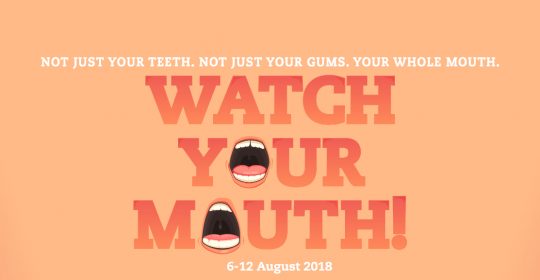
It’s Dental Health Week 6th-12th August, and this year’s campaign “Watch Your Mouth” is about the importance of maintain good oral health and the important role nutrition plays in achieving this.
Proper nutrition means eating a well-balanced diet so that your body can get the nutrients needed for optimal health and wellness.
If your diet is low in the nutrients your body needs, your mouth may have a more difficult time resisting infection. This may contribute to periodontal disease, a major cause of tooth loss in adults.
Although poor nutrition does not cause periodontal disease directly, many researchers believe that the disease progresses faster and can be more severe in people with nutrient-poor diets.
A poor diet may lead to gum disease and tooth decay. Foods high in carbohydrates, sugars and starches greatly contribute to the production of plaque acids that attack the tooth enamel. Eventually, these acids cause tooth enamel to break down, forming a cavity.
6 Top Tips for Dental Health Week
To ensure that your diet doesn’t negatively affect your teeth, here are a few key things to keep in mind this Dental Health Week.
1. Drink lots of water
 It’s free and its calorie free! Even better, tap water in most areas of Australia contains fluoride, one of the easiest and most beneficial ways to help prevent tooth decay. Tooth decay happens when plaque comes into contact with sugar in the mouth, causing acid to attack the teeth. By choosing water and regularly sipping it during the day, you are making a great choice for your pearly whites. So, grab your bottle and fill it up with H20 goodness now, your teeth and your entire body will thank you for it.
2. Eat a balanced diet
 Sticking to a healthy and well-balanced diet is essential for ensuring your oral health is maintained. Eat a variety of foods from each of the five major food groups, including: whole grains, fruits and vegetables, lean sources of protein such as lean beef, skinless poultry and fish; dry beans, peas and other legumes and low-fat and fat-free dairy foods. If your diet lacks certain nutrients, it may be more difficult for tissues in your mouth to resist infection. This may contribute to gum disease. Severe gum disease is a major cause of tooth loss in adults. Many researchers believe that the disease progresses faster and is potentially more severe in people with poor nutrition.
3. Limit snacking between meals
 A key component in helping to prevent decay is saliva which helps your teeth recover from these attacks by neutralising the acids. However, this can be jeopardised if you snack frequently between meals, which means your teeth don’t get a break from the acid attacks that occur when you eat. Also, limit sugary treats to meal times, rather than between meals.
4. Reduce sugar intake
 It is not just the obvious sweet foods and drinks such as lollies and soft drinks that can cause decay.
Frequent snacking on foods with hidden sugars like biscuits, crackers, cereals, chips and even dried fruit can cause acid attacks on your tooth enamel. These foods and many others break down into sugars in the mouth that then coat the teeth in sugary saliva that you can’t taste, but is damaging the enamel.
5. Don’t eat too much before bed
 It is important not to eat substantial amounts of food just before sleeping. This will contribute to nocturnal gastric reflux bringing stomach acid up the oesophagus (food pipe) which is a known contributor to weakening the teeth enamel and causing tooth decay.
So, eat your evening meals early to give yourself time to digest, and get a good nights sleep that won’t harm your teeth.
6. Chew gum
 Chewing sugar-free gum (and that’s the crucial qualifier, it must be sugar-free!) may not be the first thing that springs to mind when you’re thinking about good dietary habits that benefit your teeth. But studies have shown that chewing sugar-free gum for 20 minutes after eating can prompt your mouth to produce more saliva, which helps neutralise decay-causing acid attacks.
For good dental health, always remember to brush twice a day with fluoride toothpaste, floss daily and visit your dentist regularly.
Think before you eat and drink for healthier teeth and gums
For healthy living and for healthy teeth and gums, think before you eat and drink. It’s not only what you eat but when you eat that can affect your dental health. Eat a balanced diet and limit between-meal snacks.
If you have any queries or concerns about nutrition and the health of your smile, please talk to the friendly team at Dental Care Professionals. Request an appointment now!